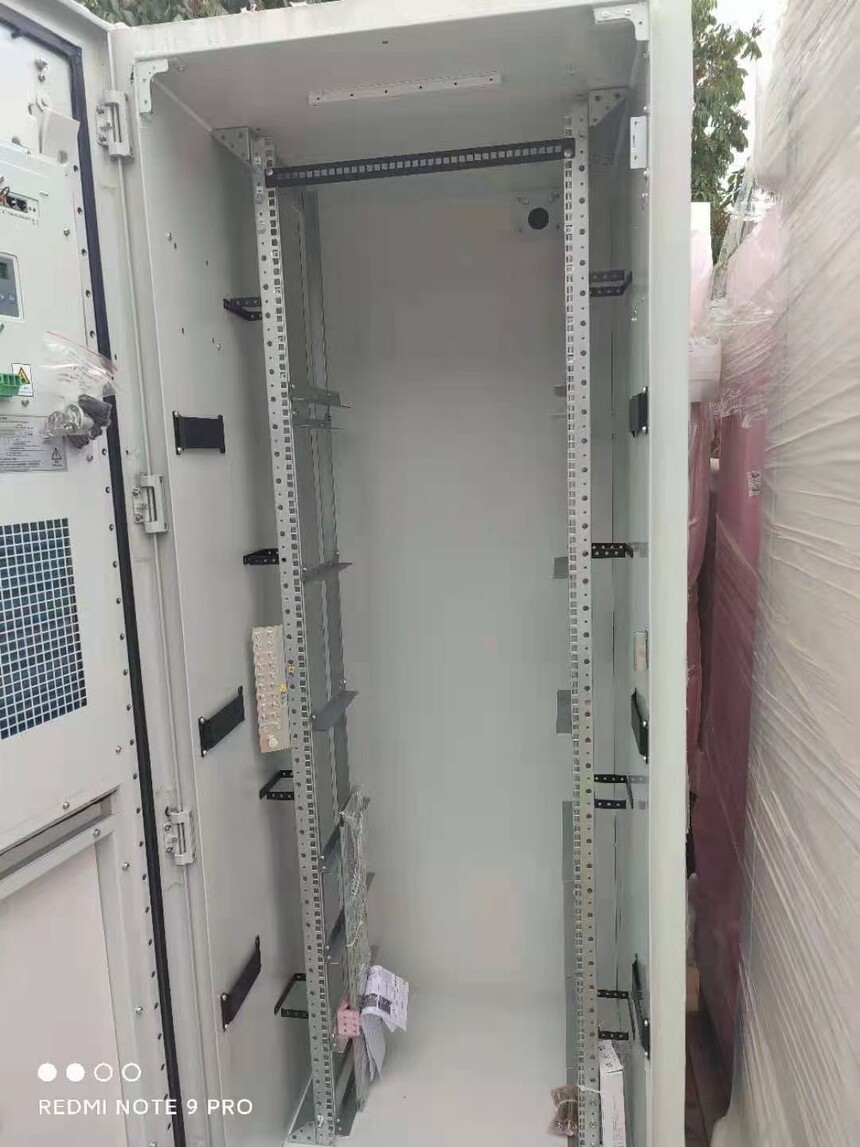
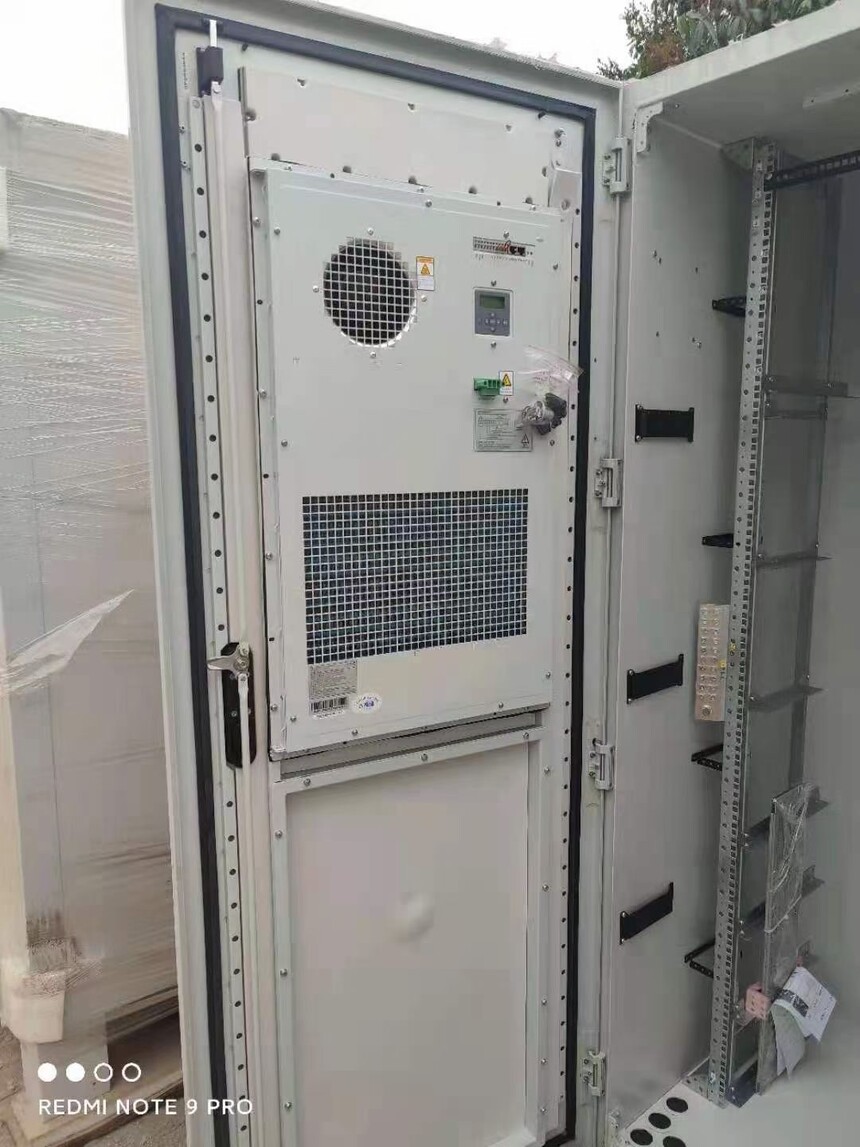
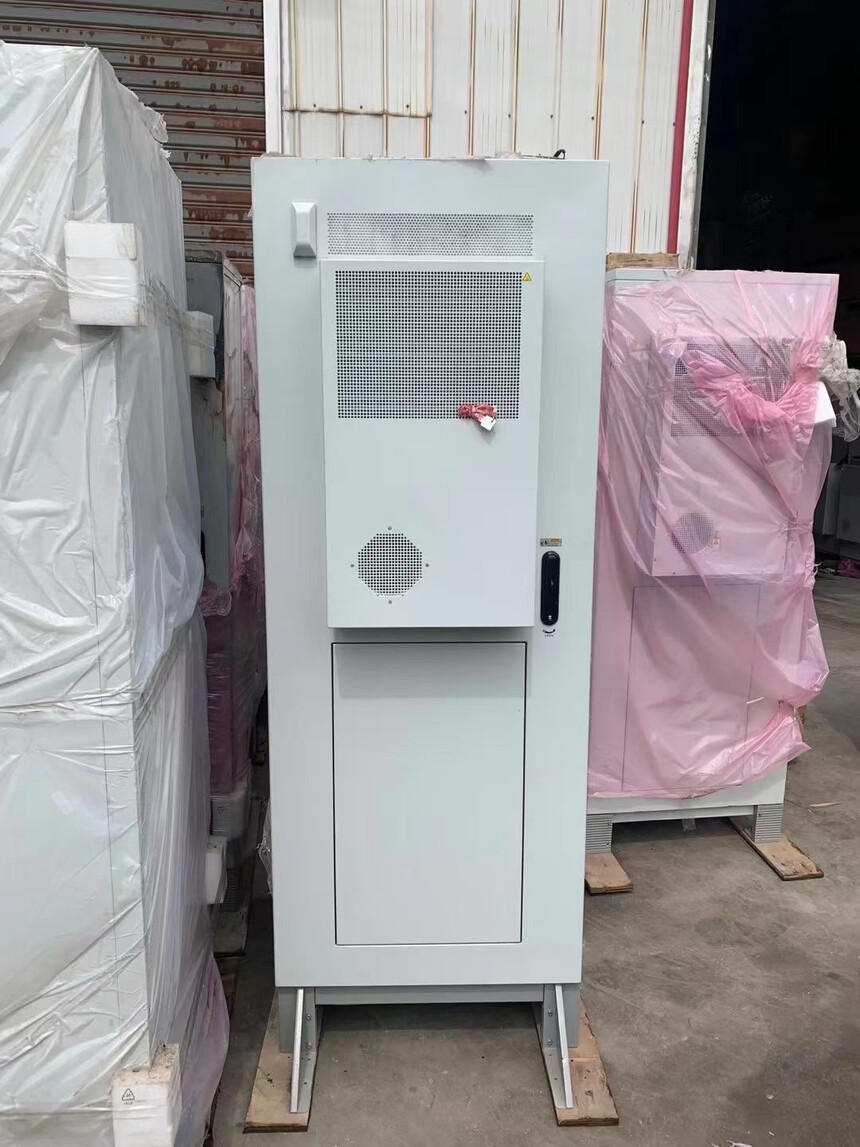
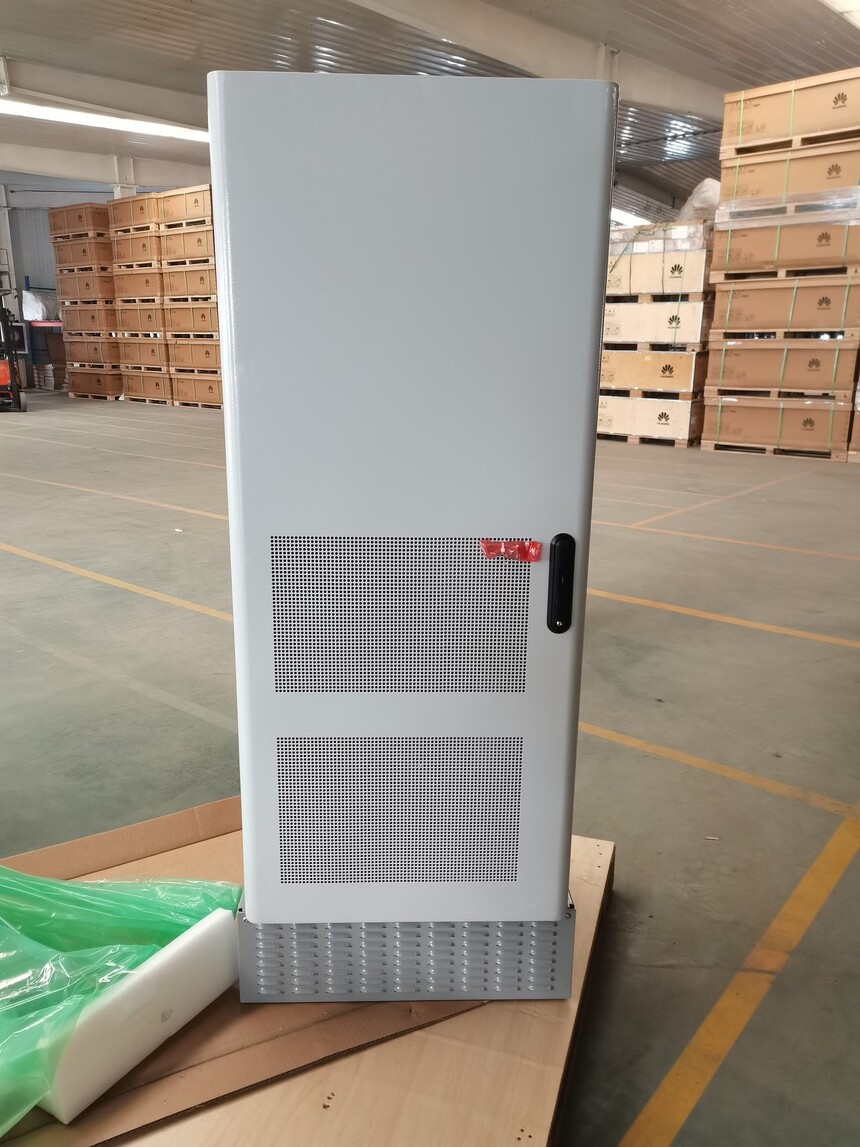
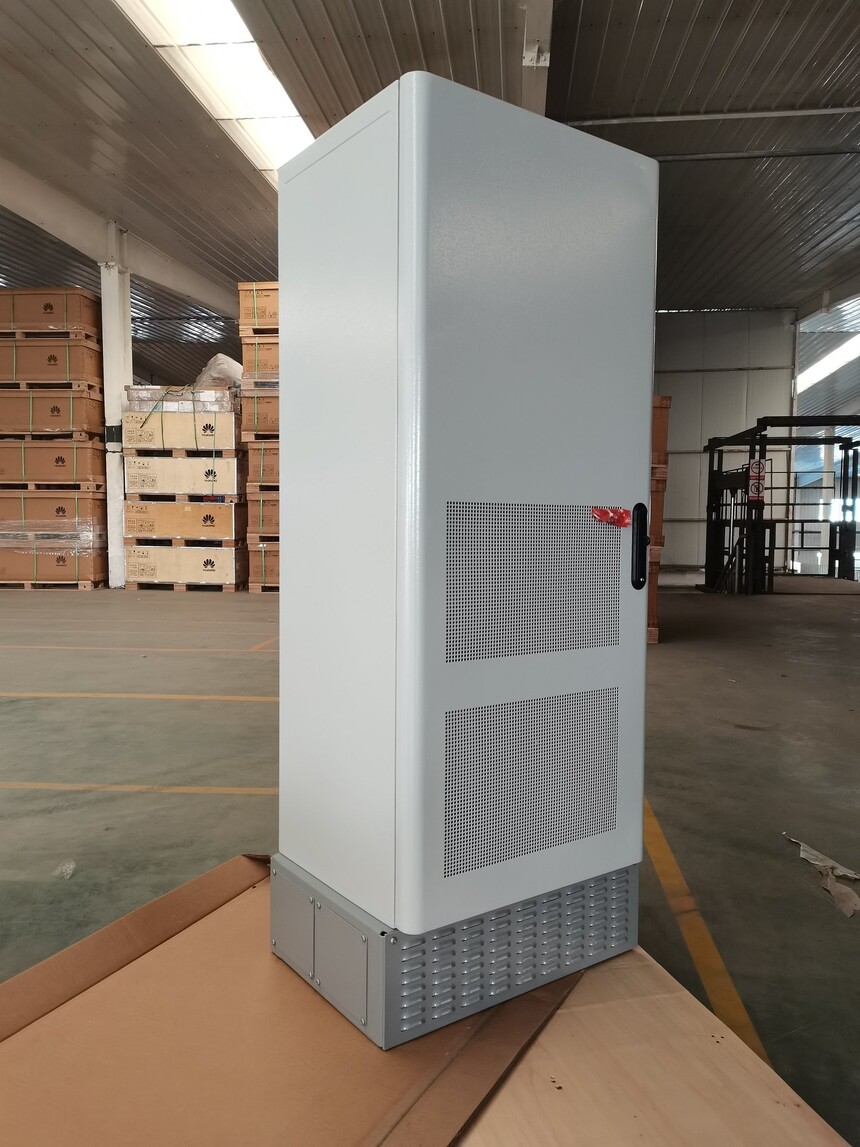
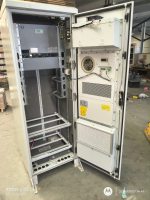
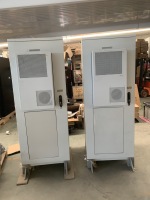
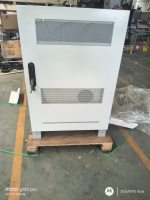
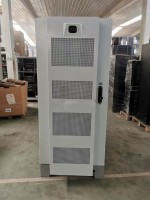
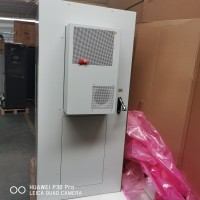
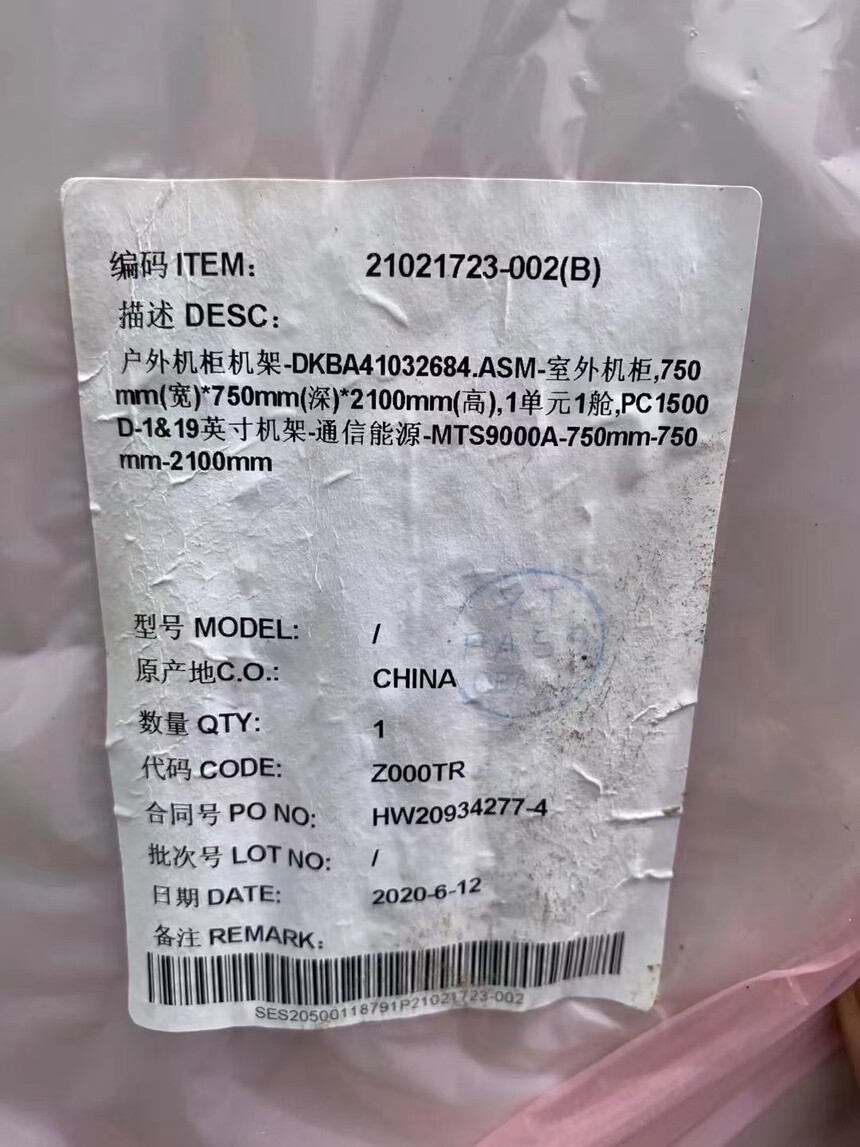
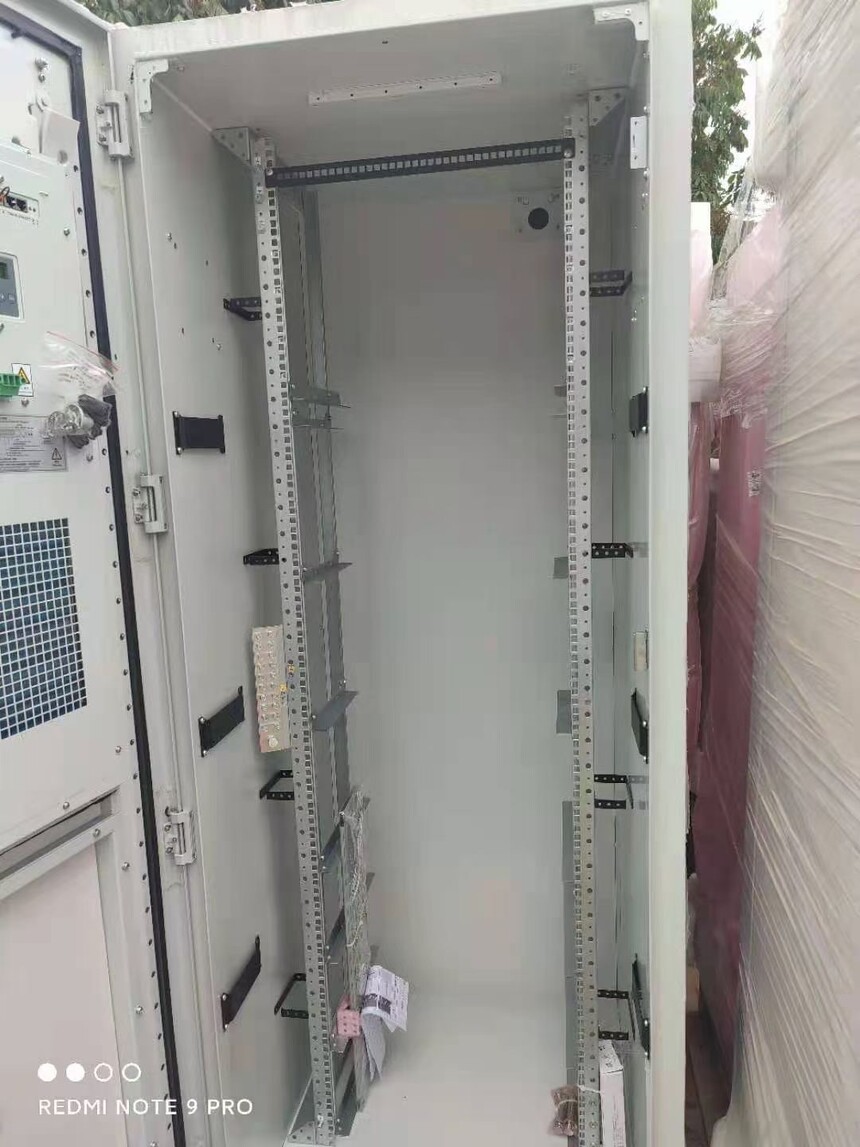
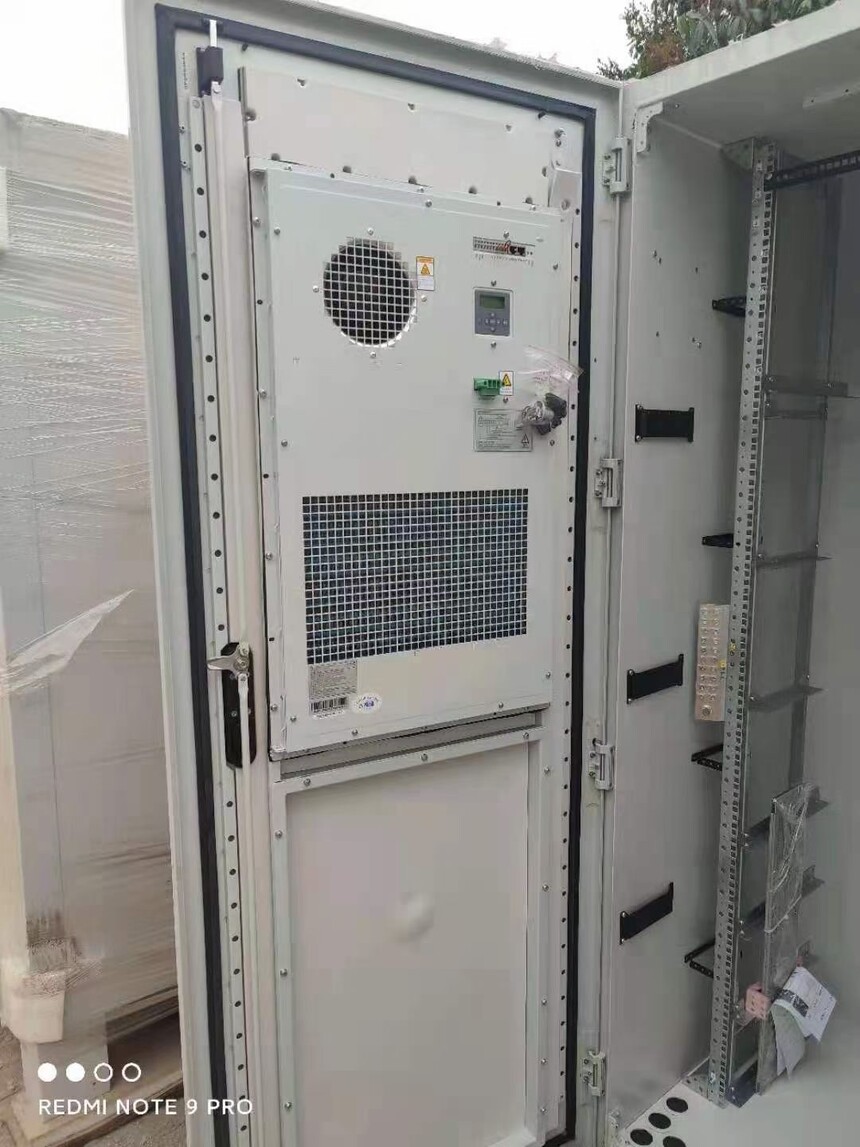
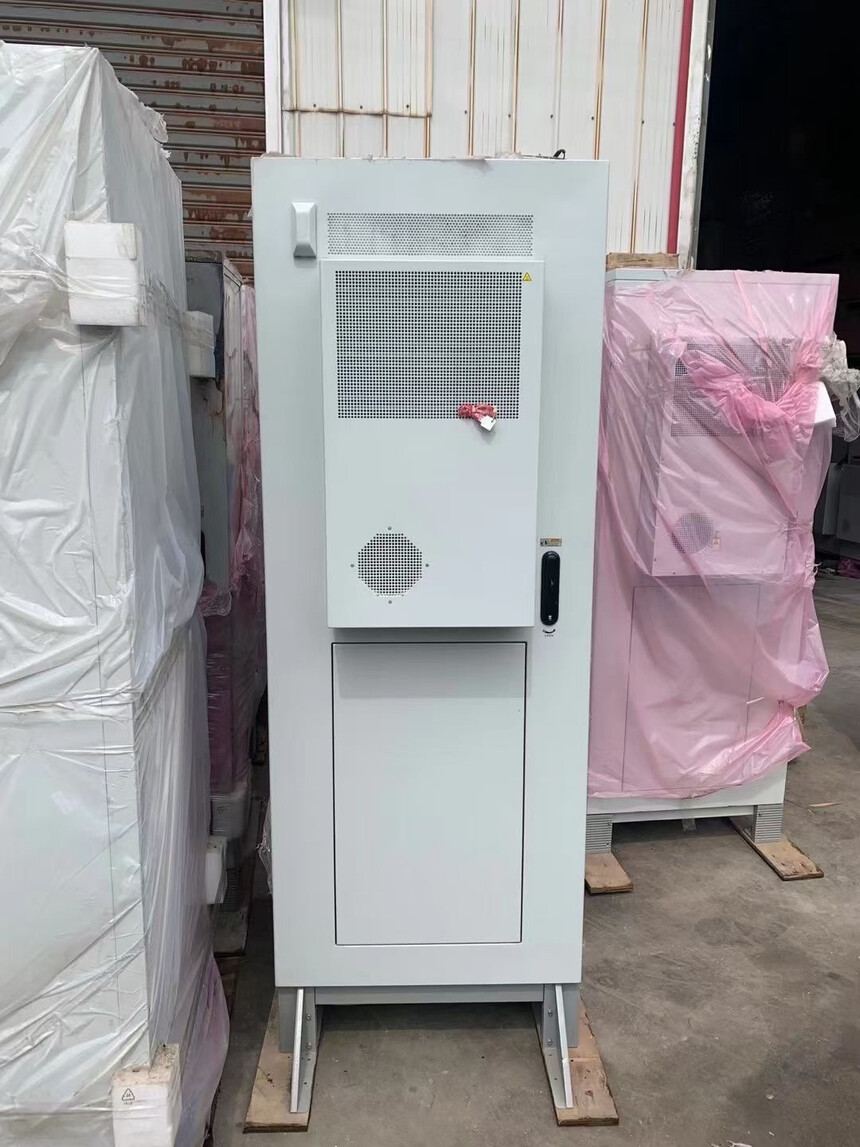
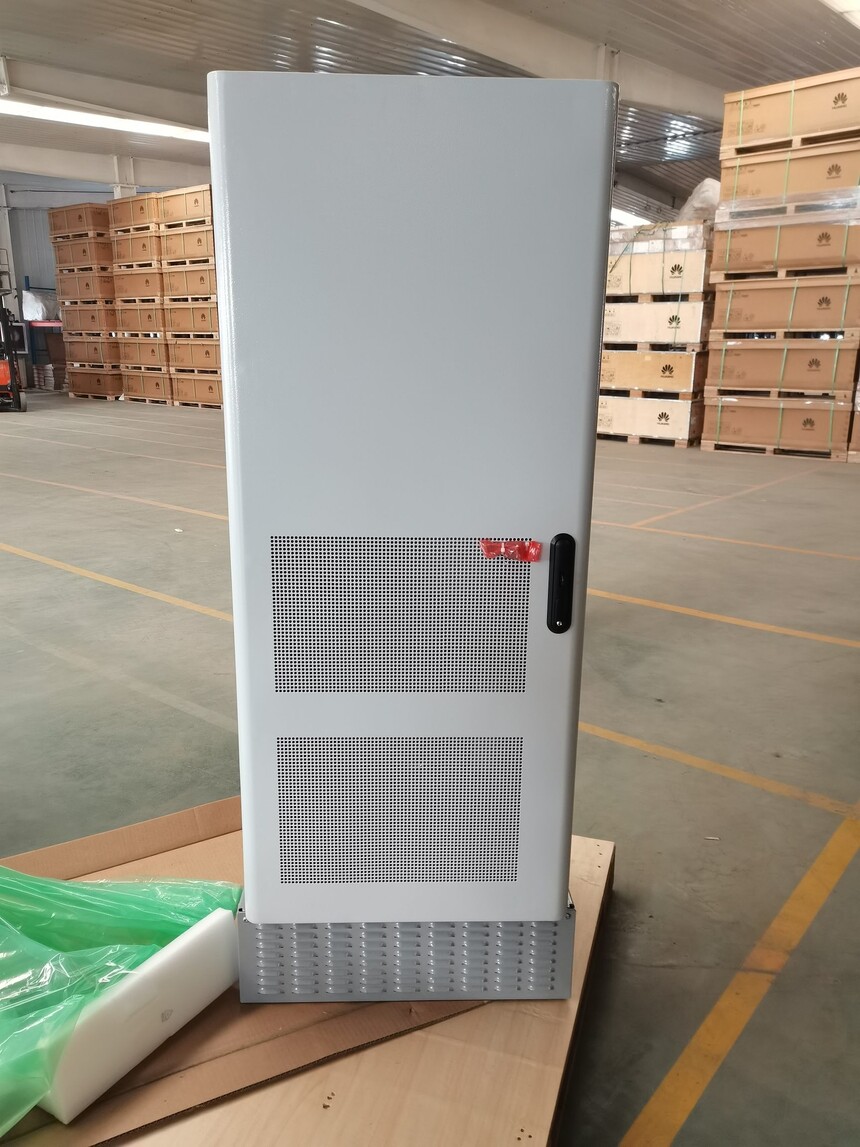
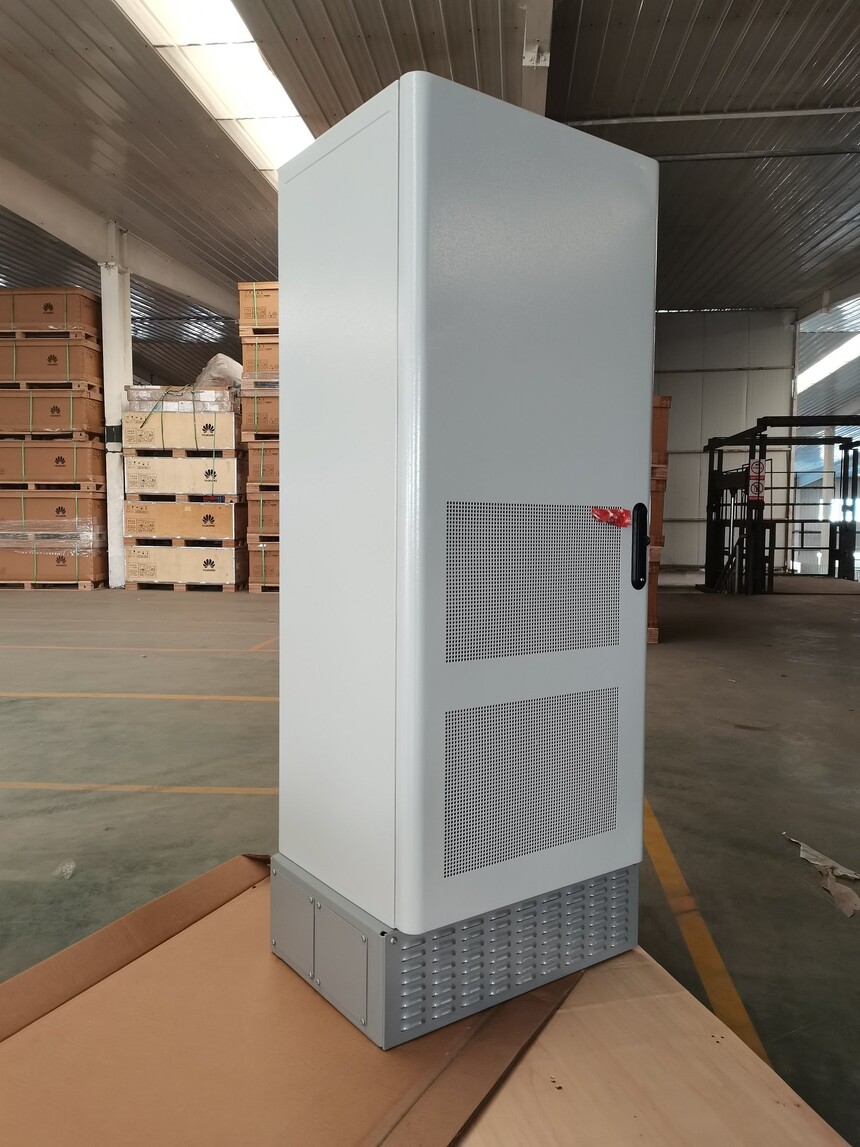
Huawei MTS9000A Outdoor Power Network Cabinet
Bus voltage and efficiency of server power supply
There are currently two main types of server power supplies used. One type is traditional hard switching power supplies without power factor correction (ATX and SSI standards), mainly using single ended forward or half bridge topologies, with efficiency ranging from 70% to 85%. Due to its hard switching technology, its switching loss is high at both low input voltage (high input current) and high input voltage, and its efficiency is high at rated voltage and load of 220VAC. Therefore, the float charging of high-voltage direct current transmission should be more suitable for 275V. Excessive bus voltage not only reduces efficiency, but also threatens the safe working area of the switch tube. The higher DC voltage should not exceed 350V.
Another type of server power supply is a high power factor power supply with added APFC. This type of power supply is actually a two-stage conversion, with stage * being the APFCBOOST converter and stage * being the DC/DC converter. Due to the limited relationship between the efficiency of BOOST converters and the input voltage range, it is possible to consider using a larger 400V or 282V DC voltage. If a 400V DC voltage is used, the BOOST converter can be cancelled to upgrade and improve the server power supply. If 282V DC voltage is used, no matter what server power supply is used, there is no need to change it.
(2) Voltage Adjustment of High Voltage Direct Current Transmission Power Module
The power modules currently used in high-voltage direct current transmission are all from power operated power sources, characterized by three-phase three-wire system, passive power factor correction, and high output voltages with power factors of approximately 0.92 and 286V. Due to the limitation of module power density, when the output voltage increases, the output current must be reduced, i.e. constant power output. Due to the limitation of output rectifier tube withstand voltage and output electrolytic capacitor withstand voltage, the larger output voltage can only be adjusted to 320V. Otherwise, the design change is too significant and needs to be redesigned.
(3) The necessity of insulation monitoring in high-voltage direct current transmission
MTS9000(2)。 Although the peak value of high-voltage DC voltage is not high compared to AC voltage, the danger of jpg is much greater than that of high-voltage DC voltage due to the presence of zero AC voltage. Therefore, in order to ensure the personal safety of operators, it is necessary to add insulation monitoring function in high-voltage direct current transmission. Insulation monitoring instruments should be placed in column cabinets to locate branches.
1) Selection of insulation monitoring
There are three forms of insulation monitoring, namely balanced bridge method, small signal injection method, and leakage current detection method. The balanced bridge method is simple and reliable, but it can only detect poor insulation of the busbar to the ground and cannot locate the branch; Small signal injection methods are prone to common mode interference, and leakage current detection methods are a better choice. The disadvantage is that when there are many branches, the cost will be higher.
2) Working principle of leakage current insulation monitoring instrument
Firstly, check if the busbar is balanced against the ground. If it is unbalanced, switch the detection resistors separately to measure the leakage current of each branch. Based on the leakage current, the branch can be located and the insulation resistance value can be calculated.
(4) The combination of fuse and air switch is used for protection, and the end is protected by a combination of DC air switch and AC air switch. Do not connect to regular sockets.
(5) When multiple power modules are configured inside IT equipment, they must be controlled by multiple shunt switches, and it is prohibited for one shunt air switch to control multiple power components.
3. Calculation of energy-saving cases
As an example of a solution, compare the high-voltage DC power supply system with an AC UPS system using a high-capacity system (see Table 1), and compare the investment differences between the newly built AC UPS parallel system and the high-voltage DC system under the same high-capacity power supply requirements.


 电话直呼
 在线客服
 在线留言
 发送邮件